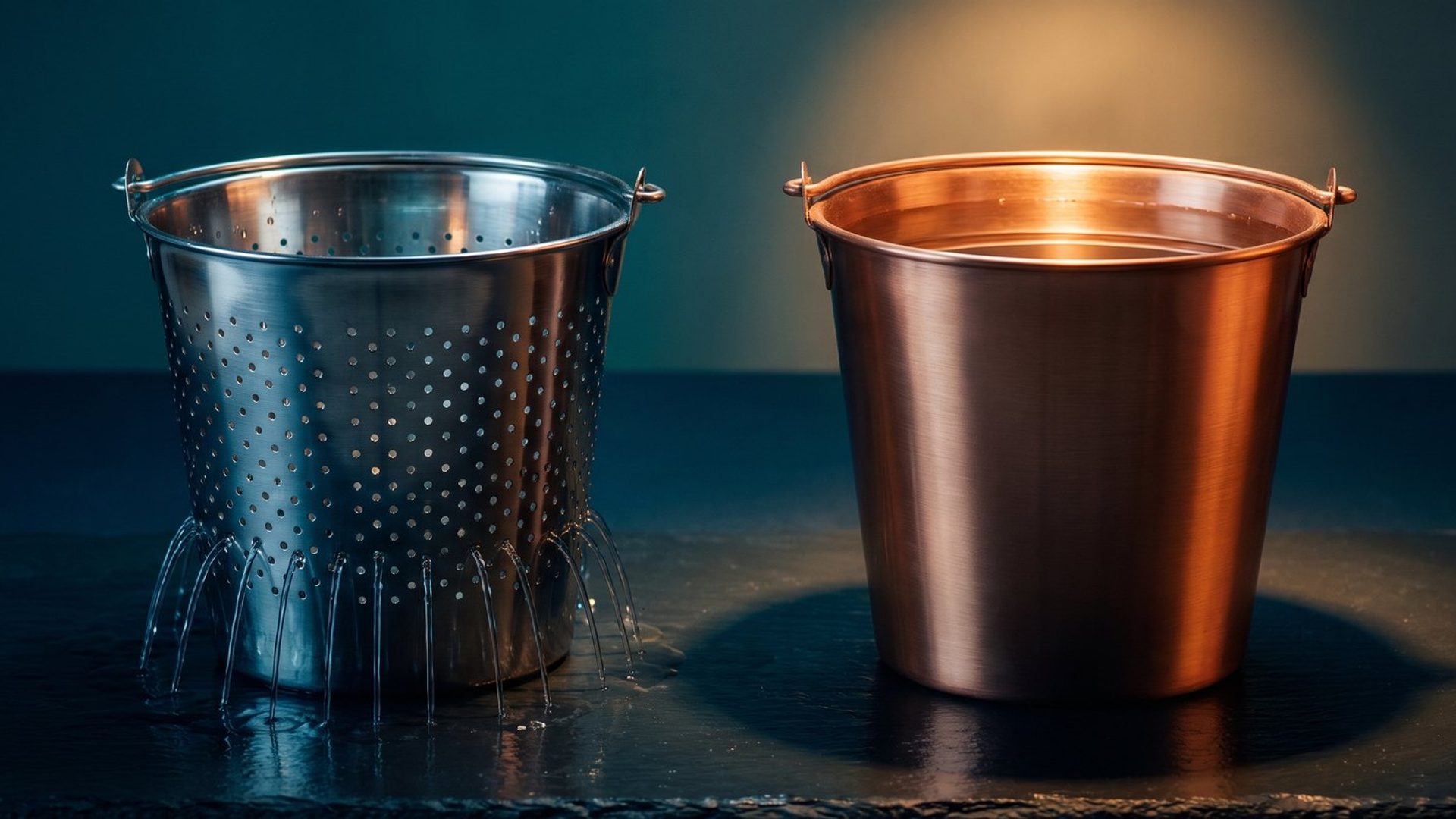
Most stores are a leaky bucket. You pour money in the top to acquire a customer, you make one sale, and then that customer quietly slips out the bottom - never to return. So you pour more money in the top to replace them. It works, sort of, but you're running to stand still, and every year the water costs more.
Here's the part that stings: that first sale you worked so hard for barely made you anything. By the time you've paid for the ad that brought them in, the first order often just about breaks even. The profit - the real profit - is in the second order, and the third, and the fourth. Which means the cheapest growth in your store isn't another customer. It's the one you already have, coming back.
The Leaky Bucket
Winning a brand-new customer is the most expensive thing you do. The rule of thumb across e-commerce is that it costs somewhere between five and twenty-five times more to acquire a new customer than to keep an existing one - and thanks to rising ad costs on every platform, that gap only widens. And it compounds against you: the more of your budget goes to replacing customers you already had, the less is left to actually grow - and the treadmill speeds up. A customer who has already bought from you has cleared the single biggest hurdle there is: they trust you. They know your product is real, your shipping works, and the thing showed up like you said it would. Selling to them again costs you almost nothing.
So a store that only ever sells once is leaving most of its money on the table and paying full price for every dollar of growth. Plugging the leak - getting people to come back - is not a nice-to-have you get to after you've "figured out traffic." For most stores it is the growth.
The Number That Actually Matters
You've probably obsessed over your conversion rate, and if you've read our other pieces you've worked on your average order value. Retention adds the last piece of the same equation. What a customer is truly worth to you - their lifetime value - is roughly how much they spend per order, multiplied by how many times they come back.
AOV grows the size of each order. Retention grows the number of orders. And frequency is the multiplier almost nobody tracks. Two stores with identical traffic, identical conversion, and identical order values can have wildly different profit if one gets each customer to buy twice a year and the other gets them to buy five times. Same front end, completely different business.
Put numbers on it. A store with a $60 order that each customer buys twice a year is worth $120 per customer. Get that same customer to buy four times and they're worth $240 - the business just doubled, and not one new visitor walked through the door. That's the leverage hiding in frequency, and in most stores it's sitting completely untouched.
The one number to start watching is your repeat-customer rate - the share of your customers who have bought more than once. If it's low, you don't have a traffic problem. You have a bucket problem. Track it monthly and treat moving it as seriously as you treat conversion rate.
Earn the Second Order Inside the First Box
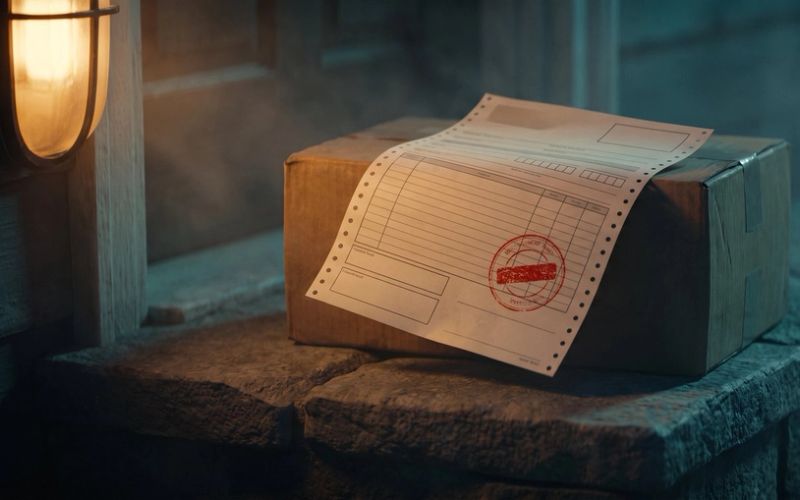
Retention doesn't start with a clever email months later. It starts the moment the first order lands on their doorstep. The post-purchase experience is where a one-time buyer decides whether you were a transaction or a brand they'll come back to.
That means the basics done well: the order shows up when you said, packaged like you cared, with clear communication the whole way. It means a genuine thank-you - a short note from a real person outconverts a polished automated receipt every time, because it makes a number feel like a relationship. And counterintuitively, it means welcoming problems. There's a well-documented quirk of customer psychology: when something goes wrong and you fix it quickly and generously, satisfaction ends up higher than if nothing had gone wrong at all. A damaged item refunded within minutes, with a small credit for the trouble, doesn't cost you a customer. It's how you mint a loyal one.
It also pays to make sure they actually get value from what they bought. A short "here's how to get the most out of it" beats silence, because the customer who succeeds with the first purchase is the one who reaches for the second. A product that ends up in a drawer, unused and half-understood, never gets reordered no matter how good your emails are.
Come Back at the Right Moment, Not the Generic 90 Days
Here's where most stores get retention wrong even when they try. The standard advice is to email lapsed customers at 90 days. For a lot of stores, that's far too late.
Every store has a natural repurchase rhythm. A daily supplement might get reordered every 30 days; a fashion brand every 45 to 60; a luxury homegoods store every six months. If your customers naturally reorder around day 40 and you wait until day 90 to reach out, you've missed the window by two full cycles - and they've almost certainly already bought the thing from someone else. You didn't lose them because they forgot you. You lost them because you were late.
So find your actual number. Your analytics will tell you the average time between a customer's first and second order - reach out shortly after that, not on some generic default. For anything consumable, a simple "you're probably about to run low" reminder timed to the product's real lifespan is one of the highest-return messages you can send, because it lands exactly when they need it.
The Win-Back, Done Like a Human
For the customers who do drift past their window, you want a win-back - but a light touch, not a barrage. A few things separate the ones that work from the ones that get people to unsubscribe.
Keep it short: two or three messages, not eight. Skip the tired "we miss you" line - everyone knows no brand personally misses them, and it just reminds them they're inside an automated sequence. Instead, open with a warm, casual reconnection and a genuine reason to look again ("here's what's new since you were last here"). If that doesn't land, then bring an offer - and a modest discount paired with a small free gift beats a bare coupon, because it feels like you're treating a valued customer rather than bribing a stranger. Close with a plain-text note that reads like a real message from the founder, no banner, no product grid. That contrast alone is often what gets it opened.
Give Them a Reason to Stay
Timely emails bring people back; structure makes them stay. A loyalty program that rewards frequency - points, tiers, a perk that gets better the more they shop - turns "should I buy again?" into "I'm most of the way to the next reward." Even a simple, visible punch-card-style reward works, because a goal a customer can watch themselves approaching quietly reframes the next order as progress instead of spending. For consumables, a subscribe-and-save option is the strongest retention tool there is, because it converts a repeated decision into a single default the customer never has to think about again. And whatever you sell, make reordering effortless: a one-tap reorder, a saved cart, their details already there. Every gram of friction you remove from the second purchase is a customer you keep. Subscriptions especially are hard to argue with: a subscriber doesn't just buy again, they buy again on a schedule you can forecast, which turns lumpy month-to-month revenue into something you can actually plan and reinvest against.
Don't Discount Your Way to Loyalty
A warning, the same one that applies to order value: retention bought entirely with discounts isn't loyalty, it's a habit you're training. If every email is a coupon, you teach your best customers to wait for the next one and quietly erode both your margin and the sense that your product is worth full price. Real retention is built on the experience - the product, the service, the feeling of being valued - with incentives used deliberately, mostly to recover a customer who's genuinely slipping away. A discount to a lapsed buyer is an investment. A discount to a happy one is just money you didn't have to spend.
Where to Start
Start by looking at one number: your repeat-customer rate. That tells you how leaky the bucket is. Then pick the single highest-leverage move for where you are. A newer store should nail the post-purchase experience first - deliver well, thank people like humans, handle problems generously. An established store with plenty of one-time buyers should find its repurchase cycle and build a well-timed reminder and win-back around it. As you grow, the balance shifts: early on you spend most of your energy acquiring, but the more established you get, the more of it belongs on keeping the customers you already fought to win.
This is the last piece of the store-economics story we've been telling: get people to the right product, don't lose them at checkout, make each order bigger, and then bring them back to do it again. If you'd rather have someone map your repurchase cycle and build the flows that plug the leak, that's the kind of work we do every day over at conversion rate optimization. And if you'd rather do it yourself, start this week by finding your repeat-customer rate. It's probably lower than you think - which means it's the biggest cheap growth you've got.