
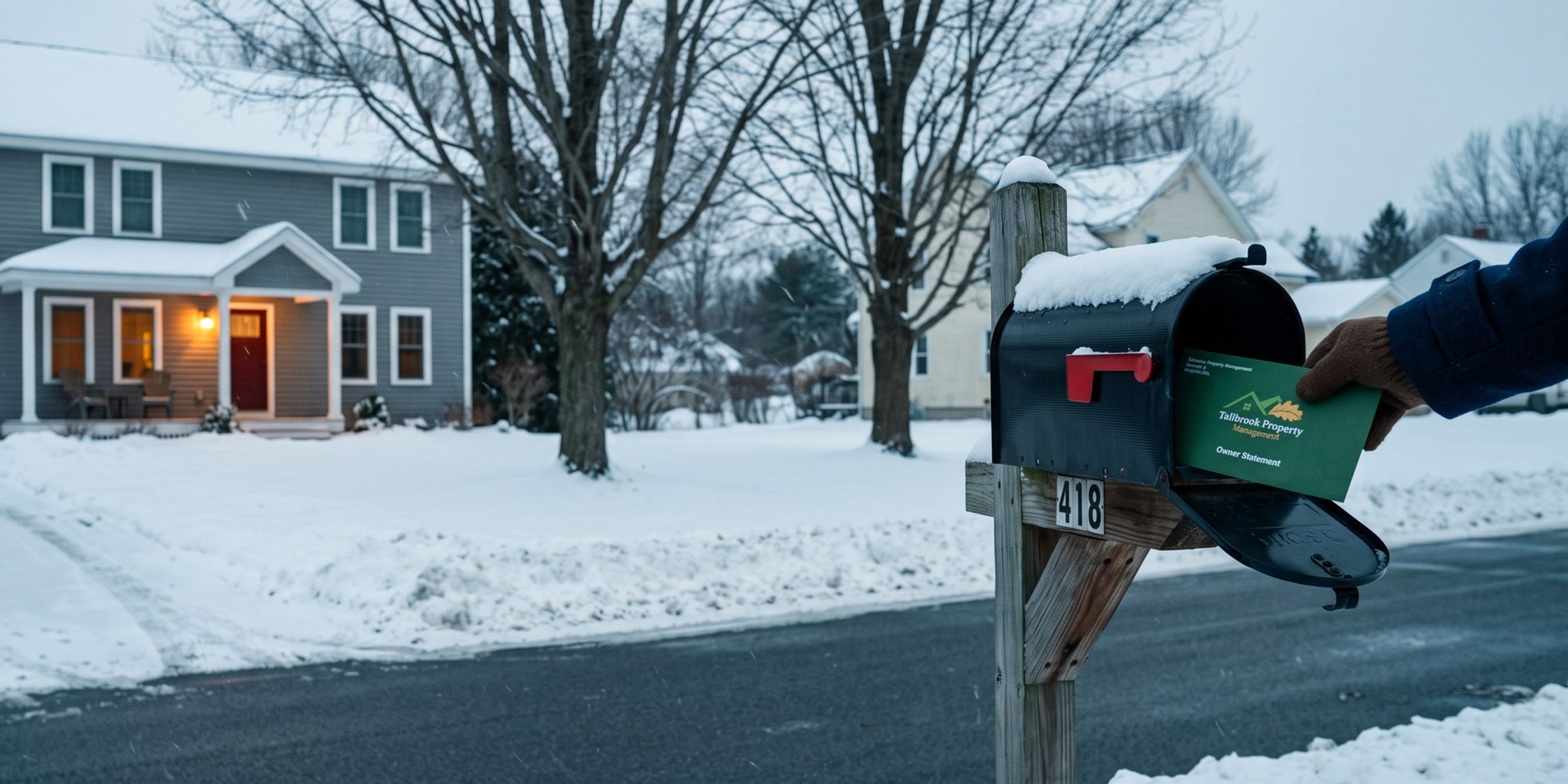
An owner who's thinking about hiring a manager usually has one fear that the price can't fix: handing over a house and then hearing nothing. Owners who are happy with their manager say so in their reviews, and the thing they praise most often, after trust itself, is being kept in the loop. Most property management ads never mention it.
This chapter turns owners' own words into property management ads. It covers what owners praise against what manager ads say, why most of a manager's reviews can't help with the copy, the fee question owners ask first, the ad promises a website has to back up, how to fill the 15 headlines Google gives you, and the same gap on the leasing side. The ads and reviews come from the 12 property advertisers in our example market, the Orlando area, and the owner threads come from Reddit nationally.
Owners Praised Communication in 18 of 44 Reviews. Their Managers' Ads Talked About Trust and Fast Leasing Instead.
We read the newest 100 Google reviews of each of the eight managers in our example set and sorted them by who wrote them. Forty came from owners and four from association boards. In those 44 reviews, trust and long relationships came up 26 times, communication 20 times (18 of them praise), maintenance being handled 17 times, responsiveness 16 times, filling a vacancy 15 times, fees 8 times and monthly statements 6 times.
Then we read the ads. The four residential managers had 76 search ads running in the last 90 days, and 66 of them carried enough readable text to judge. Trust lines showed up in 34, things like "we treat your property like our own" and years in business. Fast leasing and good tenants showed up in 23, and promises to take work off the owner's plate in 19. Fees appeared in 7 and maintenance in 2.
Updates, statements and reports appeared in none of the 66. The closest any ad came was "Owner Online Portal" or "Owner 24/7 Access," in 6 ads from 3 of the 4 managers, and a portal is a place to look things up, not a person calling you back.
That's the gap. Owners who love their manager talk about how it feels to be informed from a distance:
- "I especially appreciate their transparency and consistent updates, which keep me informed without overwhelming me."
- "They filled my vacancy fast and kept me updated at every step."
- "We receive a monthly statement" and the money goes "into our bank account for us."
- "Very reasonable for the peace of mind not having to deal directly and from miles away."
Each of those is a headline waiting to be written. "Monthly Statements, On Time." "Updates at Every Step." An owner choosing between three ads that all say "full service" will notice the one that answers the fear.
Tenants Outnumber Owners in the Reviews at 3 of 4 Residential Managers. Read Only the Owner Reviews for Ad Copy.
The obvious place to find owners' words is your own Google reviews. The trouble is that most of them weren't written by owners.
Of the reviews where we could tell who the author was, tenants and applicants outnumbered owners at three of the four residential managers: 10 to 3 at one, 42 to 12 at another, 28 to 16 at the third. The exception was a small Brevard County firm with 16 reviews in all, where owners led 9 to 4. On the association side, the imbalance is far larger. The four HOA firms had 301 reviews with text between them, and four came from boards; most of the rest came from homeowners writing about dues, gates and violation letters.
A tenant review isn't useless. It tells you how your maintenance team comes across. But copy built from it ends up talking to the wrong reader. A tenant thanking a manager who "had someone out to fix it the same night" is lovely praise, and it's aimed at someone renting, not someone deciding whether to hand you a house.
So sort before you borrow. Owner reviews give themselves away: they mention "my property," "my tenants," a vacancy, a statement, or living out of state. Most of the rest praise a staff member by name. Pull the owner ones into their own list and write from that. One manager in our set ran a review feed on its home page that showed five reviews, all from tenants; the owner page deserves the owner reviews.
Thirty-eight of the 44 owner and board reviews were five stars, so they tell you what owners value once they're happy. For the words owners use while they're still choosing, read the owner threads on Reddit.
Owners Argue About Fees More Than Anything Else. A Fee in the Headline Answers Their First Question.
We read 24 Reddit threads where owners and boards discuss choosing, paying and firing managers, 684 posts and comments in all. Owners wrote 335 of them, and 162 of those talked about fees, far more than any other subject. Owners quote the numbers to each other: one owner listed what "every firm wanted" as "7-8% of rent," "1 month's rent per new tenant" and "$200 per lease renewal." Another called "100% of one month's rent" for placing a tenant "very, very steep."
Repairs drew the sharpest complaints. Twenty-eight owner posts complained about maintenance markups, a manager's "their guy" vendors or a handyman fee added to every visit. One owner wrote that a markup "on a simple water heater replacement ate up half my cash flow for the month."
Three of the four residential managers in our set publish their management fee on their website. Fees showed up in only 7 of their 66 readable ads. If your fee is on your owner page, put it in a headline. An owner who sees "8% Monthly Management Fee" knows in two seconds whether to keep reading, and the owner who clicks has already accepted the price.
The same goes for repairs. "No markup on repairs" didn't appear in any of the 200 ads we read from all 12 companies. If your management agreement says you pass vendor invoices through at cost, that's a headline almost nobody else is running. If it doesn't say that, leave it out; the next section explains why.
All 4 Residential Managers Promised Something in an Ad That Their Own Website Doesn't Say. Google's Policy Expects the Page to Back the Offer.
We checked every ad claim from the four residential managers against their websites. Each one had at least one ad line the pages we checked didn't support. One ad promised a home "rented in 21 days" while the site said 2 to 3 weeks on average on one page and 2 to 5 weeks on another. Another ad said "over 20 years of experience," a number that appears nowhere on the pages we checked. A third called the firm one of the best in the city, with only award badges on the page to back it. A fourth promised a guarantee of increased profits with no terms on the pages we checked.
There's a quieter version too. One manager advertised plans that "start at $0," which is true; that plan's leasing fee is a full month's rent, on the pricing page. Owners notice. The Reddit owner who called a month's rent "very, very steep" is the same reader that ad is trying to win.
Google's misrepresentation policy covers this. It doesn't allow ads that promise offers that are "unavailable or aren't easily found from the destination," and it doesn't allow claims that present "an improbable result (even if this result is possible) as the likely outcome." A 21-day lease-up promised to every owner, when the firm's own page says up to five weeks, sits close to that line.
The fix is the order you write in. Write the owner page first, as Chapter 4 laid out, then write the ad from the page: every number, promise and guarantee in the ad should be one an owner can find within a scroll of where the ad sends them. If a claim is true but not on the page, add it to the page before it goes in the ad.
A Responsive Ad Holds 15 Headlines. Leave Them Unpinned and Make Each One Say Something New.
Google's search ads are responsive search ads. Google gives each one room for 15 headlines, 30 characters apiece, and 4 descriptions, 90 characters apiece, then assembles them differently depending on the search. Pinning locks a headline into one slot. Google's help page discourages it for most advertisers, since a pinned slot leaves fewer mixes for an owner's search, and its Ad Strength page says to avoid pins "unless necessary."
We leave owner ads unpinned. The work goes into making the 15 headlines different from each other. Five ways of saying "full service" give Google one idea to test, not five. We write a mix: what you do, what it costs, what the owner no longer has to handle, proof, and a reason to call. Then the manager reads and approves them before launch, because a manager knows which promises the team keeps every week.
Here's what that looks like for Tallbrook Property Management, a made-up manager. Every headline came from an owner theme in this chapter:
- Communication: Monthly Statements, On Time. Updates at Every Step. Owner Portal, Open 24/7.
- Fees: 8% Monthly Management Fee. No Markup on Repairs. Leasing Fee: Half a Month.
- Time back: We Answer the Tenants. Built for Out-of-Town Owners. Rent Deposited Every Month.
- Leasing: Free Rental Analysis. Every Tenant Screened.
- Proof and action: Tallbrook Property Management. Managing Homes Since 2009. Property Management Near Me. Talk to a Manager Today.
Each one fits in 30 characters, and every claim is one Tallbrook's owner page would have to state. The descriptions carry the longer owner lines: who you serve, what the fee includes, and how often owners hear from you.
Renters Praised Maintenance in 61 of 233 Reviews. None of 76 Apartment Ads Promised It.
The leasing campaign has the same gap with a different subject. Among 233 reviews from renters and applicants at our four apartment communities, the most common praise was for friendly or named staff, 150 times. Amenities and cleanliness drew praise 72 times and maintenance 61 times, often with a time attached, like a major repair fixed within 30 minutes of the call.
The communities' ads talked mostly about the apartments themselves. Of their 76 ads in the last 90 days, bedroom counts and floor plans showed up in 20 and wording about the location, like "near" a town or "close to" a highway, in 8. Staff appeared in 7, all from one community's "let our friendly staff help you" line. Maintenance appeared in none of the ad copy; the only mention was a "24-Hr Emergency Maintenance" entry in the services list on one community's Google listing card.
For a renter, quick repairs are the part of living somewhere that a floor plan can't show. If your maintenance team is fast, and your reviews say so, put it in the ad: "Repairs Handled Same Day" is a promise most competitors aren't making. Leasing copy also has rules about which words describe a home and which describe a person, and Chapter 14 covers them.
For the same idea in other local trades, see why an ad can only promise what the website shows.
Next: What Google's Housing Policy Switches Off in a Leasing Campaign
Chapter 9 covers the housing policy that applies to leasing ads, which targeting settings it switches off, and why owner ads are treated differently. Earlier chapters cover tracking, the owner landing page, the first owner searches to launch and bidding by hand. The full list is on the Google Ads for Property Management guide home, and our Google Ads management page explains how we'd write your ads.


