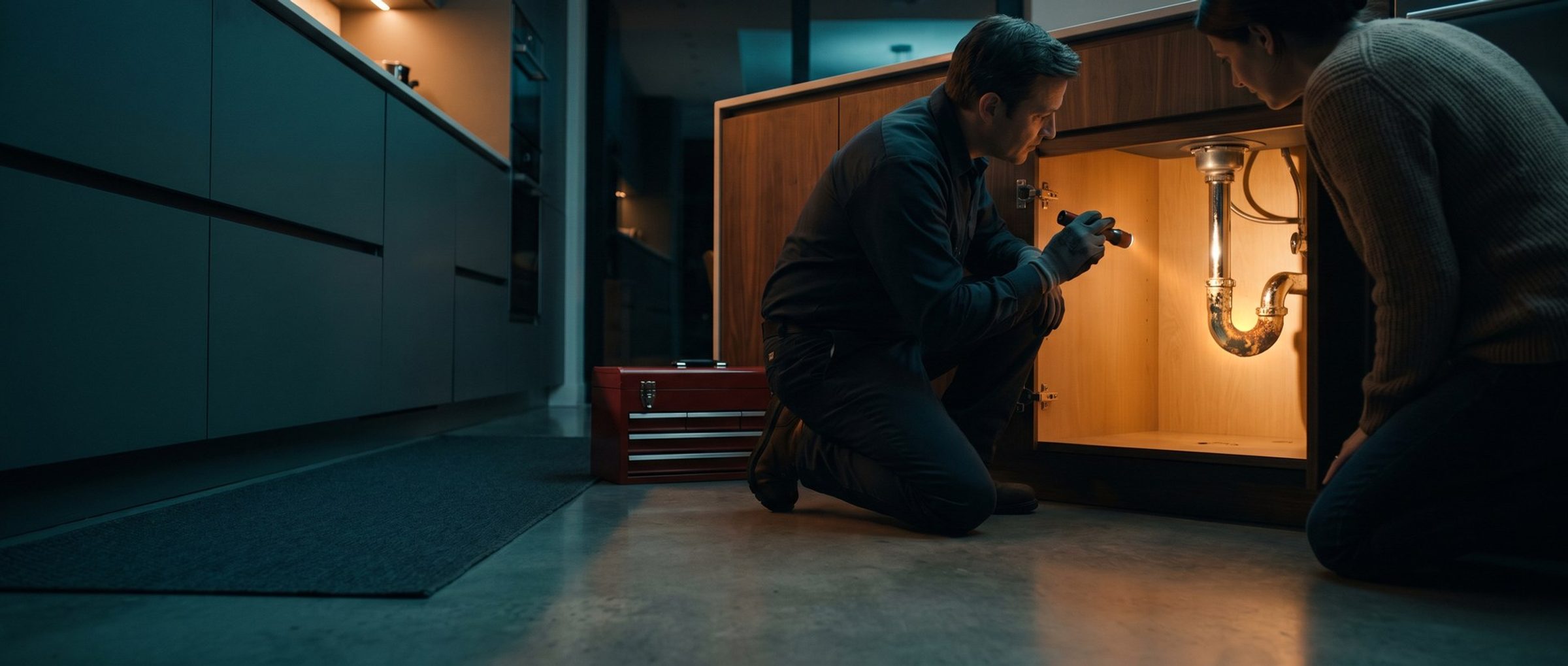
A homeowner in our example market, San Antonio, needed a toilet flapper replaced. The plumber charged $400. The homeowner looked it up afterward, found the part for $5.48 at Lowe's, and wrote a review about it. Another reviewer found the Delta faucet on their $470 bill listed at "$199.40 on the Delta website."
Read enough bad plumbing reviews and a pattern jumps out. The complaint is rarely that the work was bad. It's that nobody explained the price before the work started. Then look at the plumbing ads running in the same market, and almost none of them talk about how the price works. That gap is the best ad copy a plumbing company will ever find, and it's sitting in public on Google Maps.
118 of 210 Bad Plumbing Reviews Complain About Price. 90 Say the Job or the Part Cost Too Much.
Our sample was 794 Google reviews across 18 plumbing listings in the example market: national franchises, multi-trade shops, independents and a few small outfits rated under four stars. Of those, 210 were one- to three-star reviews about plumbing work, and we coded each one by what went wrong. Price won by a wide margin:
- A price complaint of any kind: 118
- The job or the work didn't hold up (not fixed, misdiagnosed, a bad install): 75
- No-show, late or no callback: 65
- Pushed toward a bigger job or an add-on: 46
- The fee just to come out: 21 (Chapter 14 covers that fee on its own)
Many reviews carry more than one complaint, so those don't add up to 210. But price shows up in more than half of them, and 90 of the 118 say the same thing: the job, or a part in it, cost too much. Nine reviewers named a big-box store or online price to prove it. Sixteen said they did the job themselves afterward.
None of this means plumbers overcharge. Labor, the truck, insurance and the warranty all sit inside a price that a big-box receipt doesn't show. What the reviews show is a surprise: the customer learned the number after the work, or never understood what it covered. A surprise feels like a markup even when it isn't one.
Plumbing Ads Lead With Stars and 24/7. Fewer Than One in Eight Says How the Price Works.
Now flip to the ads. We pulled the Search ads that plumbing and multi-trade companies in the example market ran over the last three months from Google's Ads Transparency Center, then read the 213 that were about plumbing work. Here's what they led with:
- Star rating or review count: 69
- A dollar figure of some kind: 53
- 24/7 or emergency service: 43
- A discount: 30
- Same-day or next-day service: 28
- Upfront or flat pricing: 25, from 15 companies
The dollar figures look like an answer to the price worry, and mostly they aren't. 33 of the 53 ads with a price mention a drain, and the typical one is a drain special: $39.99, $79, $83, $95, $99, $129 to clear a drain. Those are real offers, and they get the phone to ring. But a $99 drain price tells the homeowner what one job costs. It says nothing about what happens when the plumber finds something else, which is exactly where the bad reviews start.
"Upfront pricing" is a different promise: you'll know the price before we start. Fewer than one plumbing ad in eight makes it, which means a shop that actually works that way has a claim most of its competition isn't using.
The few that make it say it plainly. Patriot Plumbing's water heater ad reads "Upfront pricing, no surprises." Champion's same-day plumbing ad stacks "Same-Day Service. Upfront Pricing." in front of its $99 drain offer. Will Fix It leads one ad with "No Hidden Service Fees." None of those lines is clever. Each answers the exact fear the bad reviews describe, in about four words.
Happy Plumbing Customers Praise the Plumber Who Explained the Price Before the Work
Flip to the four- and five-star reviews and the story runs in reverse. In the four- and five-star reviews, 120 praise a plumber who explained the problem, was honest about it or laid out the options. Another 46 call the price fair. Shoe covers come up in 2 of all 794 reviews. Being told what was wrong and what it would cost before anyone picked up a wrench comes up constantly.
Their exact words are worth stealing for headlines. Here is how three real five-star lines from the example market turn into headlines that fit Google's 30-character limit:
- "Upfront with cost, no hidden fees" becomes Upfront Cost, No Hidden Fees (28 characters).
- "Explained all the issues with my unit and gave me options" becomes Your Options Before Any Work (28).
- "He took the time to explain everything and show me the issues" becomes We Show You the Problem First (29).
The headline borrows the customer's promise and says it back to the next customer. Options matter for a second reason: 46 of the 210 bad reviews describe being pushed toward a bigger job or an add-on. A headline that promises choices answers that fear before the truck pulls up.
"Quote" turns up in 65 of the reviews; "estimate" turns up in 31. A headline that promises a quote speaks the customer's language, and one that promises an estimate speaks the trade's. "Explained," "options" and "before starting" show up again and again in the praise. Those words fit in a 30-character headline with room to spare.
Where to read:
- Your own Google reviews, and your competitors'. The low-star ones tell you what the market fears; the high-star ones tell you what earns trust.
- Yelp and Nextdoor, where homeowners compare plumbers in their own neighborhoods.
- Your phone. Whatever callers ask the person answering ("Is there a fee just to look at it?" "Can you give me a price first?") is a headline waiting to be written.
A Plumbing Ad Starts on Its Own Landing Page, Then Gets Checked Against Rivals
Write the ad from the page it sends people to, not from a blank screen. Lift the job name, the offer and its terms, the price promise and the trust signals straight off that page: license number where your state requires it, years in business, warranty, review count. Chapter 4 showed what happens when an ad promises something its page doesn't back up.
That applies to price most of all. Only promise an upfront price if your technicians really quote before they start. An ad that says "upfront pricing" followed by a surprise on the invoice turns a minor complaint into a one-star review with a headline already written for it.
Then check the competition. Google's Ads Transparency Center shows every ad a rival has been running, and the Ad Preview and Diagnosis tool shows what your local results page looks like right now without clicking anyone's ad. In our example market, the rivals mostly sound alike: stars, 24/7, a drain special. That sameness is the opening. The point of looking is to say something they aren't.
AI writing tools come last. Once your headlines are written from the page and the reviews, an AI tool is useful for checking length, spotting repeats and suggesting a few variations. It's no substitute for reading your own reviews, because it has never answered your phone.
Fifteen Headlines, Four Descriptions, Nothing Pinned at Launch
A Search ad on Google is a kit, not a finished sign. The account hands Google up to 15 headlines (30 characters apiece) and up to 4 descriptions (90 apiece), and Google assembles a different ad for each search. Write all 15. A plumbing ad group with three headlines gives Google almost nothing to work with, and Google's own setup advice asks for at least 8 to 10.
Spread them across what the reviews care about:
- The job, by name: "Water Heater Repair Near You"
- The price promise, if it's true: "Your Quote Before We Start"
- Speed: "Plumber Out Today, 7 Days"
- Proof: your real review count and rating, or your years in business
- The offer, matched to the page word for word
The four descriptions carry what a 30-character headline can't: how the price works, what the visit includes and when you can be there. Write each one so it makes sense with any headline above it, because Google will pair them in combinations you never see.
Google's own setup advice also suggests at least three headlines that don't repeat the keyword, built around a benefit or the problem you solve. For a plumber, that's where "Upfront Price, No Surprises" or "We Explain Before We Fix" earns its place.
Each headline has to stand on its own. Google's help page warns that the pieces "can be shown in any order," so a headline that only makes sense after another one will eventually show up alone and read like a typo. The same page notes that headlines too similar to each other restrict the combinations Google can build. Fifteen ways of saying "Fast Plumber" is one headline written fifteen times.
Launch without pinning. Pinning fixes a headline to a position, and Google notes that it reduces how many headlines and descriptions can be shown. Use it only for something that must appear every time, like a required license line. Then, every few weeks, look at which headlines Google actually shows and replace the ones it keeps skipping with new lines from the reviews. Change a few at a time, not the whole set: Google says editing or removing headlines changes which ads serve, so a full rewrite resets what the account has learned about what works.
The same habits drive the ad copy our Google Ads management team writes for plumbing companies: reviews first, page second, rivals third, AI last.
Next: Google's Default Settings Can Show a Plumbing Ad Far Outside the Service Area
A great ad shown to someone 40 miles outside your service area is still a wasted click. Chapter 9 walks through what Google switches on by default in a new plumbing campaign, from who counts as "in your area" to the partner sites it adds, and which of those to turn off before the first dollar goes out.
This chapter is part of Google Ads for Plumbers, our sixteen-chapter guide for plumbing companies anywhere in the US.